Forsa blog

Notes from the marketplace.

How the food we sell gets to be cheaper, what merchants actually asked us for, why a countdown changes dinner, and what 250 kitchens taught us about the end of service.
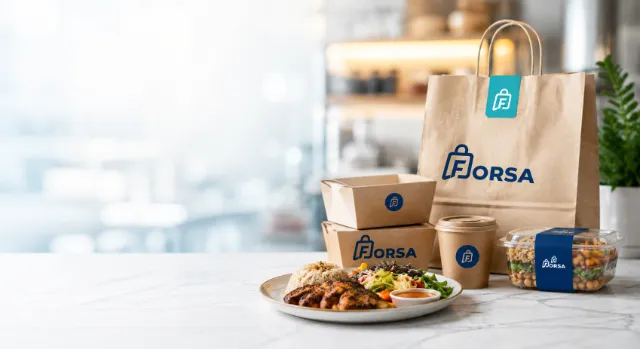
kitchen pass at end of service Partners 5 min

What 250 kitchens taught us about the end of service.
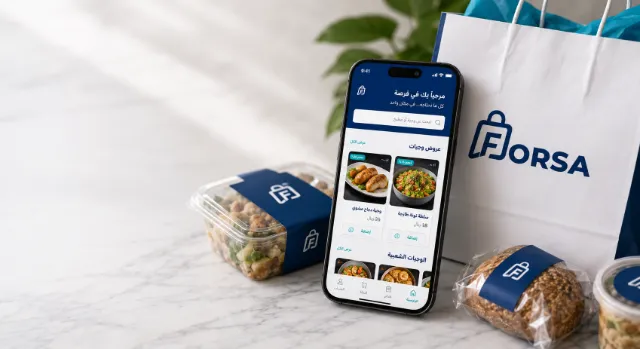
The merchant conversation almost never starts with waste. It starts with a slow Tuesday. 01
small restaurant kitchen, two cooks Partners 4 min

The single-branch problem.

Independent kitchens carry the same waste risk as chains with none of the tooling. That asymmetry is most of our opportunity. 02
supermarket chiller aisle Partners 4 min

Supermarkets play a different game.

Grocery surplus arrives on a schedule, in volume, with a date printed on it. That changes the whole mechanic. 03
cloud kitchen unit from outside Partners 3 min

Cloud kitchens have no walk-in trade.

A kitchen with no dining room cannot discount at the counter, because there is no counter. 04
hotel banquet room after an event Partners 4 min

Hotels waste in batches.

A buffet or a banquet produces surplus in a single moment, in quantities no neighbourhood can absorb quietly. 05
delivery packaging being sealed Partners 4 min

Packaging decides whether it travels.

Half of what makes a surplus offer viable has nothing to do with price. 06
branch manager on the phone Partners 3 min

Chains need a pilot, not a pitch.

A multi-branch group cannot try a new channel the way a single restaurant can, and pretending otherwise wastes everybody’s time. 07
Written by the Forsa team, Amman. These pieces are updated as the market moves. For day-to-day changes, follow us on Instagram and Facebook. Back to Forsa